First Aid Kits

•07.24.2011 • Leave a Comment

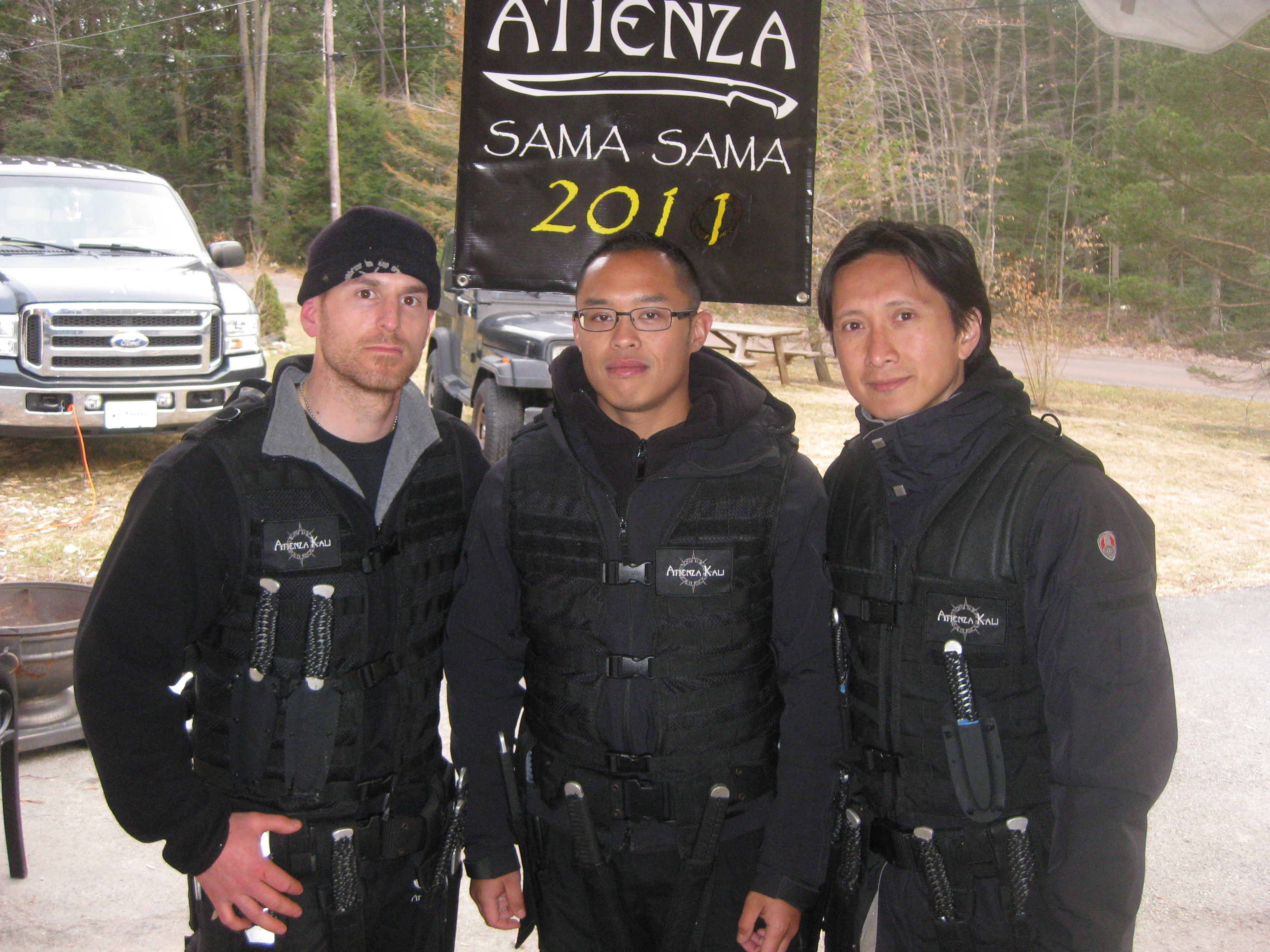
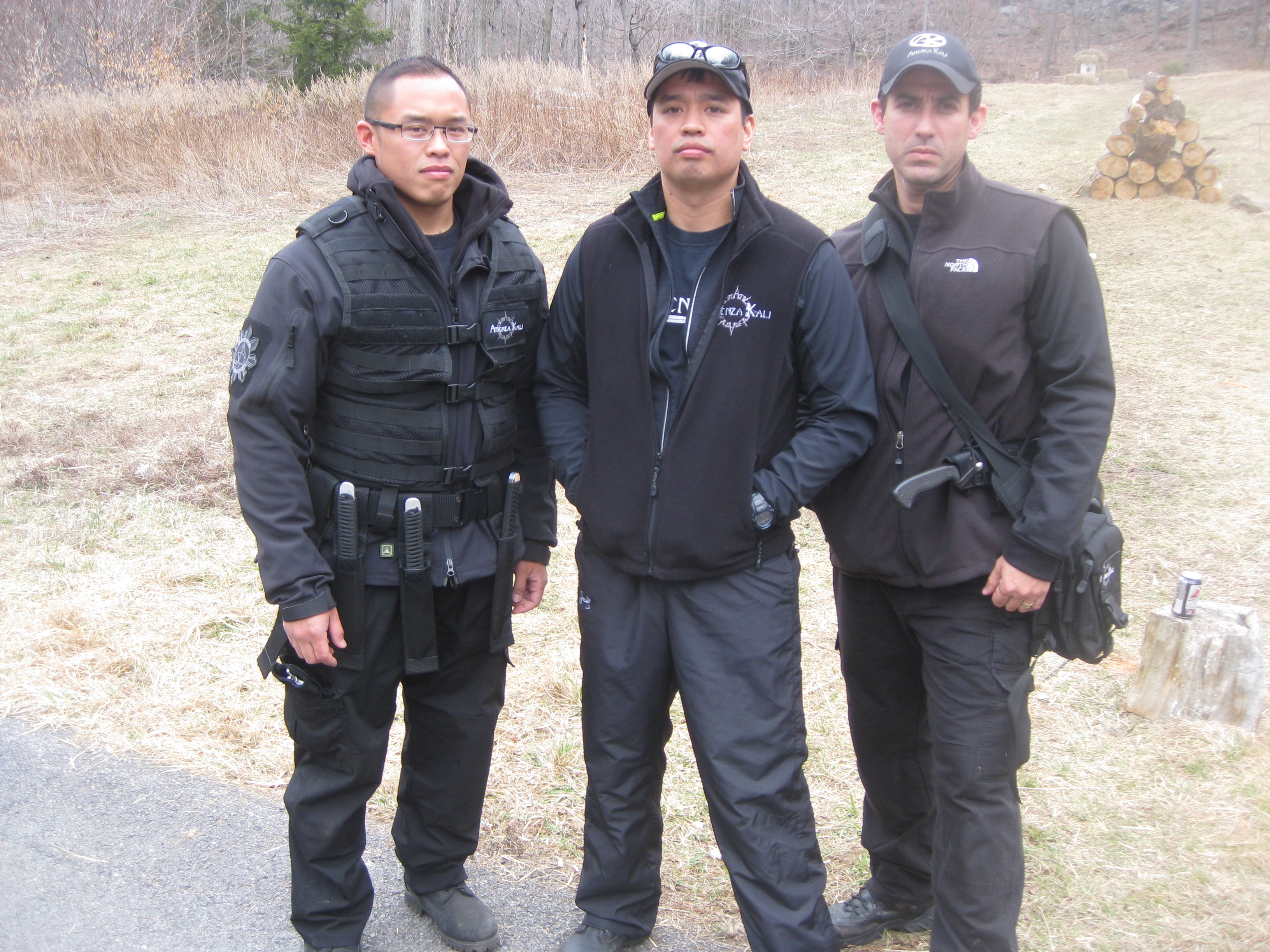
At this year’s Sayoc Sama Sama 2011 I had the opportunity to be part of the Medical Team on site.  The team was composed individuals with a wide range of experiences and skill sets.  We also were privileged to have Tuhon Tom Kier offer his guidance and insight.  The group reviewed the existing procedures laid out in our Secondary Security Protocols and tailored our plans of action to fit the event specifics.  One aspect of medical preparedness that came up was the composition and accessibility of first aid kits.  I am lucky to have Guro Travis Downing and Guro Joey Pena as instructors, both of whom have shared a wealth of knowledge regarding our kits and corresponding medical management.  Based on the instruction I have received, here is a breakdown of basic essentials that any of us should have at home, in our cars or even on our persons.

– Trauma Shears

– Flashlight with extra batteries

– Matches for light or sterilization

All first aid begins with assessment, so the ability to access and see the person’s condition is critical.  Removing clothing, straps or even seatbelts quickly may be necessary not only see, hear and feel but prepare a body for a potentially higher level of intervention such as an Automated Electronic Defibrillator.

– Rolled Gauze, Kerlex, multiple various sizes

– Sterile Gauze Squares, multiple 3×3 or 4×4 sizes

– Non-adherent and/or occlusive dressings that won’t pull and make wounds worse when changing or assessing

– Plastic (Surgical), Paper or Cloth Medical Tape

– Ace bandage

– Duct Tape

Managing severe bleeding, along with the ABC’s of CPR should be a top priority.  Direct pressure is an effective intervention, and absorbant materials can be used to cover, protect, stuff wounds or maintain external pressure.  The tape is important to secure and protect wounds, but also to immobilize wounds, cervical spine and/or limbs.  One of the hospital educators where I work also suggested Kotex female hygiene pads because they can absorb a great deal of fluid, and I’ve heard Guro Travis mention tampons for the same reason in puncture wounds.

– CPR Mask

For many of us, our daily interactions with family and co-workers include populations more susceptible to respiratory or cardiovascular insult.  Current CPR guidelines set forth by the American Heart Association designate fast and efficient chest compressions for adults, and CPR masks may facilitate oxygenation of blood during extended periods of CPR and can act as a safety barrier for the rescuer.  While adult collapses are often associated with cardiovascular failure, pediatric cases are frequently related to respiratory issues.

– Neosporin or other First Aid Antibiotics

– Burn and/or itch creams such as Aloe Vera, Hydrocortisone or Calomine

– Alcohol Pads

– Rubbing alcohol

– Hand sanitizer and/or soap

– Water and/or Saline Solution

– Bleach

Infection is a primary concern any time skin has been compromised, even by sunburn.  Cleaning sites and introducing antibiotic ointments may help protect wounds until higher levels of care are provided.  Remember that the mechanical action of soap and water is far superior to simpy applying alcohol based agents like Purell.  Iodine contains cleansing properties, however for individuals allergic to shellfish they are more prone to react to iodine products.

– Chemical cold and heat packs

– Emergency blanket

– Cotton Swabs for cleaning wounds or even touching foreign objects out of eyes

– Tongue depressor

– Nitrile Gloves

– Surgical Mask or N95 Mask

Personal Protective Equipment (PPE) is necessary to minimize exposure to either party.  Some sources also suggest gowns and goggles.  Nitrile (non-latex) gloves are readily found, as latex allergies and reactions are becoming more abundant.  In general, individuals with latex allergies are also allergic to bananas and avocados.  N95 masks are used in the hospital setting but can be purchased anywhere to help prevent airborne pathogens such as H1N1.

– Aspirin 325mg Tablets

– Benadryl 25 mg Tablets

– Ibuprofin (anti-inflammation)

– decongestant

– anti-diarrheal

Only physicians may prescribe medications, however the use of over-the-counter aspirin has been documented as an early intervention measure for individuals suffering myocardial infarction.  One 325mg tablet is often directed outside of healthcare settings to be ingested en route.  Allergic reactions can be allieved slightly by 50mg Benadryl, however epinephrine is most effective for anaphylaxis.  Epi-pens are only available in the US by prescription.

– Sterile straight blades or razor

– Paper & pencil

– Safety pins

– Thermometer

– Tweezers

– Stethescope mostly to assess lung sounds and for blood pressure measuring

– Blood Pressure Cuff (blood pressure measurement/monitoring)

– Glucometer (diabetic blood sugar monitoring)

– Sugar or glucose

– Epi-Pen (anaphylaxis)

– Nitroglycerin (myocardial infarction)

For those individuals and families that have unique needs, it is imperative to keep relevant supplies and prescription medications on hand.

– Tourniquets

– Backboard

– C-Collar

– Oral Airways

– IV Supplies and Fluids

In more extreme cases, medically trained and prepared persons should consider augmenting standard first aid kits with supplies based on their level of training.  Remember that no amount of supplies can replace proper training and skill.  In LA County the King LT-D airways have replaced Combitubes in ambulances, allowing the establishment of airways when intubation is not possible.  IV supplies should contain a variety of gauge sizes, not only for intravenous access but also in draining air or fluids.

First aid kits should stay current and checked regularly.  In line with our own training, it would make sense to also train the selection and use of various items just like any supply or tool selection.  We will be starting to implement small scenarios into our training here at IEFMA, that will address assessing someone’s condition, securing a perimeter and extracting (for higher levels of care).  Kits should also be stored at home, in cars and on person.  Furthermore your family should be familiar not only with where to find your first aid kits, but when and how to use them.

Sayoc Kali is a comprehensive system that incorporates medical management into our training.  ALL Sayoc students and instructors are expected to act as first responders until primary medics, medical teams or higher levels of care intervene.  In addition to roles outlined in our Medical Protocols, Sayoc students carry Immediate Response Kits (IRKs) on our training rigs.  These individual packs are designed to provide essential supplies to cover non-critical injuries in routine training.  Mirroring the training rig itself, Sayoc IRKs were developed to familiarize students with the tools needed in a given situation, and facilitate the access and proper selection (deployment) of materials should an event occur.  It is important to note that Sayoc IRKs hold enough for each practitioner only, so that if an injury does occur medics know to use that individual’s IRK.

Sayoc Immediate Response Kits can be purchased online at www.sayoc.com

For all IEFMA students: what areas or aspects of first aid do you feel needs the most education?  Sayoc Atienza students, for next class go through your IRK or first aid kits (pre-bought or homemade) and familiarize yourself with their contents.  If you do not know what something is, or how to use it please bring it to class and we will discuss.

Additional References:

The Red Cross:

http://www.redcross.org/services/hss/lifeline/fakit.html

The Mayo Clinic

http://www.mayoclinic.com/health/first-aid-kits/FA00067

For a more detailed example of combat medic loadouts:

Click to access ModernWarriorsCombatLoadReport.pdf

Where There Is No Doctor

Click to access doctor_whole_book.pdf
 

Family

•07.05.2011 • 3 Comments

Family

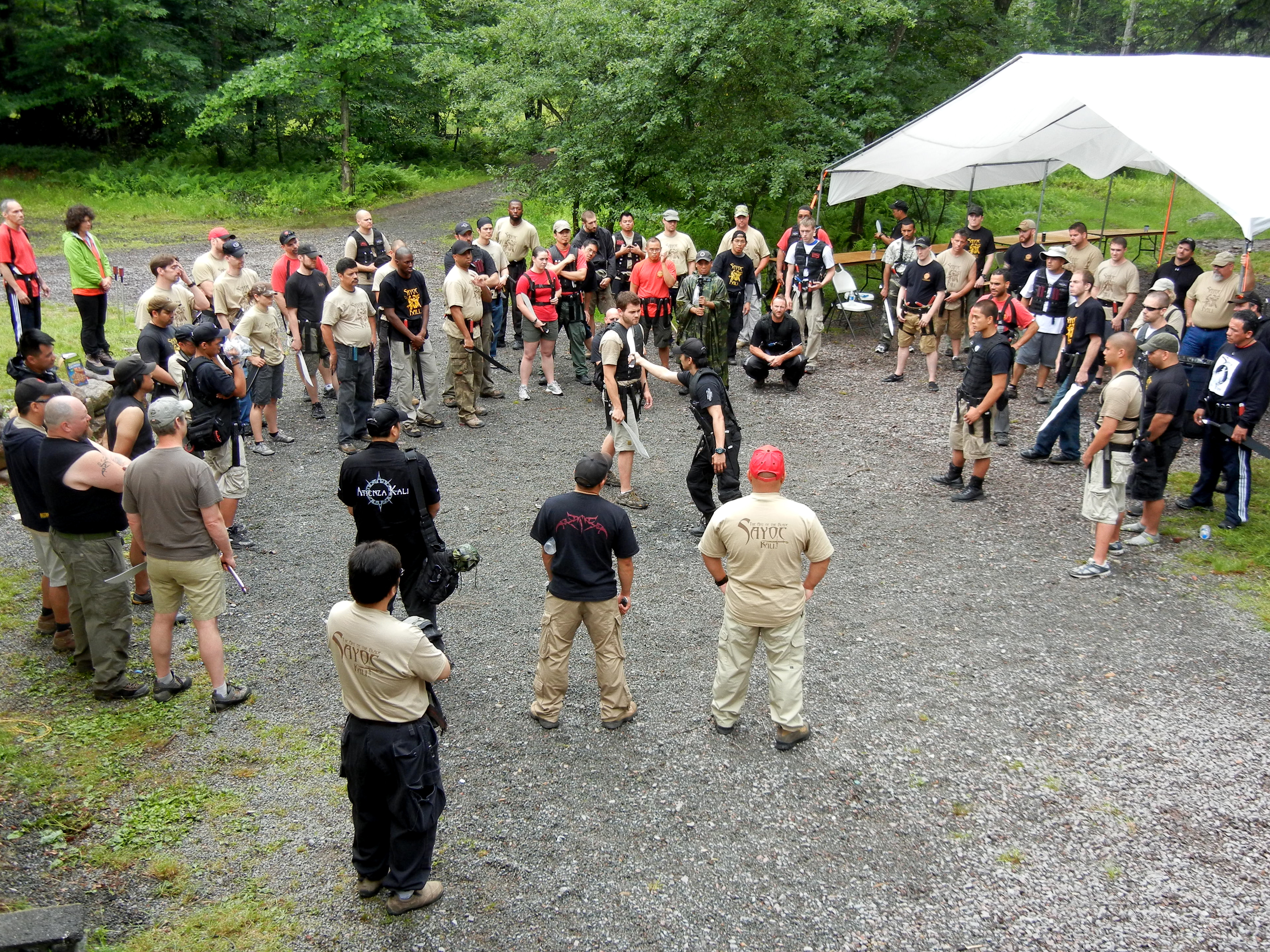
This weekend IEFMA student John Rellias and I attended the Sayoc Kali Sama Sama 2011 in the Pocono Mountains of Pennsylvania. I have been attending the annual gatherings since 2005 but for John this was his first time. Our trip began with early morning flights, as several instructors and students of the Sayoc LA collective and around the country began travelling to the East Coast. Guro Jon Auzenne of Close Combat Martial Arts in Burbank and Guro Steve Feng of Sayoc San Gabriel Valley and I met in Philadelphia and fueled up on authentic cheesesteaks at Pat’s King of Steaks before heading to the mountains. We all finally arrived later in the evening, and some of us were able to visit the event Hidden Agenda instructed by Guro Kevin Estela, on primitive projectiles. It was good to see brothers and meet new friends even that evening, and we were impressed with the scope and depth of instruction being introduced.

Saturday morning was the official start of Sama Sama, beginning with registration and formal salutations. Pamana Tuhon Sayoc and Pamana Silak were in great health and spirits, and the tribe’s instructors, seniors, brothers and sisters were ready and excited to begin training. Pamana Tuhon welcomed us with words of motivation, then organized the ranks into the activities they would be participating in that morning. New participants and new instructor candidates began curriculum and testing, while current instructors began working on advanced material. The various groups demonstrated team dynamics immediately, interacting with each other and collaborating amongst themselves. John began his testing well and was able to observe some of the other curriculum being disseminated. I met with the Medical Team, and we formulated the protocols necessary for the weekend to ensure safety and expedience if necessary. We were privilaged to have the input of Tuhon Tom Kier and other experienced individuals, and developed plans not only for this year’s event but hopefully to be implemented next year and beyond. Pamana Tuhon then assembled everyone to demonstrations given by various instructors and members of the tribe, and through the afternoon we continued to be amazed with world class instruction by our organization’s seniors. Tuhon Felix Cortes taught a session on the Filipino Combatives/Sayoc Fighting System curriculum designed to develop “Combative Mindset”, then senior Associate Instructors Guro Rich Smith and Guro Sue Kittredge discussed roles in the organization, security protocols, and myself and Guro Jon Perrings talked about the Sayoc training rig, and our use of internet based technologies to enhance our organizational growth. We then had our annual stick tournament, and instructors and students from everywhere gave an impressive showing of skill and comraderie. Guro Joe Apostol was our champion, and both he and Guro Tiffanie Meekins were recognized for their successes. Following dinner on our own, we had our first Sayaw and concluded the night with instruction from Tuhon Ricardo Kayanan on long weapon thrusting and non-linears. We ended the night after over 12 hours of amazing instruction and great participation from everyone there.

Sunday morning started with a boot camp workout from Guro Martin Gonzales who ran us through exercises intended to warm us up for the day, and after formal lineup we immediately began our training in Stickgrappling with Tuhon Tom Kier. Tuhon Tom as always gave us incredible material that wowed everyone there and not only introduced new techniques and concepts, but built upon existing curriculum and skill sets. Tuhon Rafael Kayanan then covered Tomahawk applications and tribal concepts and strategies, followed by Tuhon Carl Atienza with bolo curriculum and bolo & short blade (espada y daga) applications. Tuhon Ray Dionaldo then introduced a new blade drill that addressed the continuum of receiver to feeder mentalities. After lunch Full Instructors Guro Harley Elmore, Guro Nick Sacoulas & Guro Dr. Bob Shin covered blade on blade Transition Drill skill sets, loading & team tactics, and reflexive response counters. The weather provided us with temperature and tactile modifiers, but the caliber of instruction that day far outshined anything the environment did. Sunday evening Guro Mike Pana of Bayani Warrior gave an excellent session on stick and dagger techniques before we had our final Sayaw, punctuated with words from Tuhon Richard Sayoc, Tuhon Tom, Guro Harley and Guro Brian Calaustro. Their comments underscored the poignant tone of the evening, and brought a true sense of community and meaning to the whole weekend. The evening finished with shield and weapon instruction from Tuhon Bong, and all of us left exhausted both mentally and physically.

John and I headed back to Philadelphia that night and began our journey home, but since then I have been left with a true sense of unity and family in our Sayoc tribe. This Sama Sama many instructors and practitioners included their spouses and children, sometimes training with them but definitely always around. Pamana Tuhon Sayoc has often reminded us of how important this is, that we have family with us because we do not live our lives without them, and must incorporate their presence in our training through tactics and strategy. They are a constant that should enhance our training rather than hinder it, and allow us to include them as an asset rather than a liability. This is something unique in my own training; never have I had such an intentional and purposeful commitment to all aspects of my life by my teachers, outside of what most think of when they train. Pamana Tuhon just doesn’t allow our families to come, he asks it of us, encourages it and welcomes them as family too. My brothers and seniors in this organization have been there for me in the worst of times as well as the best, and together we have experienced challenges and successes few others would be able to relate to. This is why Sayoc & Atienza Kali instructors teach and train the way we do with our students, and why we are tight in our bonds with each other and in adhering to the protocols of the system. Tuhon Rafael had once said that groups take on the personalities of their leaders, and I am proud to respresent an organization of people that are not only devastating with their technical proficiency, but thoughtful in their approach and meaningful in their words and actions. This weekend connections were made once again, and relationships were strengthened. I am proud to call myself a student of Pamana Tuhon and give my utmost respect to all of my teachers, brothers, sisters and students.

July Schedule

•07.05.2011 • Leave a Comment

IEFMA Sayoc Atienza July Schedule
Friday, July 8th at 2000
Saturday, July 16th at 0900
Saturday, July 23rd at 0900
Saturday, July 30th at 0900

IEFMA Sayoc Atienza August Schedule
Friday, August 5th at 2000
Friday, August 12th at 2000

City of Claremont Filipino Martial Arts Summer 2011 session is in progress. Classes are held Tuesday evenings at 2000 at the Alexander Hughes Community Center.

June 2011 Schedule Update

•06.11.2011 • Leave a Comment

IEFMA Sayoc Atienza students please be advised:

JUNE 2011 Revised Schedule
Thursday, June 16 @ 2000
Saturday, June 25 @ 0900
NO CLASS Saturday, July 2 – SAYOC SAMA SAMA

IEFMA Filipino Martial Arts students be advised:

City of Claremont Summer 2011 Session starts this Tuesday, June 14 @ 2000 at the Alexander Hughes Center in Claremont.

New Videos

•05.14.2011 • Leave a Comment

Schedule Update

•04.25.2011 • Leave a Comment

Sayoc Atienza Students PLEASE BE ADVISED:

NO CLASS THIS WEEKEND. This includes both Friday, April 29 AND Saturday, April 30. Sayoc SKSTA members are highly encouraged to attend Guro Brian Calaustro’s seminar this weekend in Ontario. This is a members only event.

May Schedule
Saturday, May 7 at 0900
Friday, May 13 at 2000
NO CLASS SATURDAY, MAY 21 for the Atienza Kali training session with Tuhon Carl Atienza in Long Beach
Friday, May 27 at 2000

June Schedule (tentative)
Saturday, June 4 at 0900
Saturday, June 11 at 0900
Saturday, June 18 at 0900
Saturday, June 25 at 0900

Atienza Kali Sama Sama 2011

•04.11.2011 • Leave a Comment


Schedule Update

•04.04.2011 • Leave a Comment

IEFMA Sayoc Atienza Schedule Update

NO CLASS the weekend of April 9th
NO CLASS the weekend of April 16th
Classes to resume Friday, April 22 at 2000

New Schedule

•03.31.2011 • Leave a Comment

New Schedule for Sayoc Atienza Students

April
Saturday, April 2 at 0900
NO CLASS the weekend of April 9 due to ATIENZA KALI SAMA SAMA
Saturday, April 16 at 0900
Friday, April 22 at 2000
Saturday, April 30 at 0900

May
Saturday, May 7 at 0900
Friday, May 13 at 2000
NO CLASS the weekend of May 21 due to ATIENZA KALI SEMINAR in Long Beach
Tentative class on Friday, May 27 at 2000

Class Schedule Update

•03.24.2011 • Leave a Comment

IEFMA Sayoc Atienza Students:

BE ADVISED there is no class this weekend (Friday 3/25 nor Saturday 3/26). Class resumes on Saturday 4/2.

Guro Brian Calaustro is teaching a seminar in San Diego this weekend. ALL STUDENTS are highy encouraged to attend.

Please check out the new Facebook group: Inland Empire Filipino Martial Arts

New Trailer from Atienza Kali: